
Reiki is an energy healing technique that promotes relaxation, reduces stress and anxiety through gentle touch. Reiki practitioners use their hands to deliver energy to your body, improving the flow and balance of your energy to support healing.
The health benefits of reiki
Reiki promotes relaxation, stress reduction and symptom relief to improve overall health and well-being. It can:
- Bring on a meditative state.
- Foster tissue and bone healing after injury or surgery.
- Stimulate your body’s immune system.
- Promote natural self-healing.
- Relieve pain and tension.
- Support the well-being of people receiving traditional medical treatments such as chemotherapy, radiation, surgery and kidney dialysis.
How does reiki work?
Reiki practitioners act as a conduit between you and the source of the universal life force energy. The energy flows through the practitioner’s hands to you.
What happens during a reiki session?
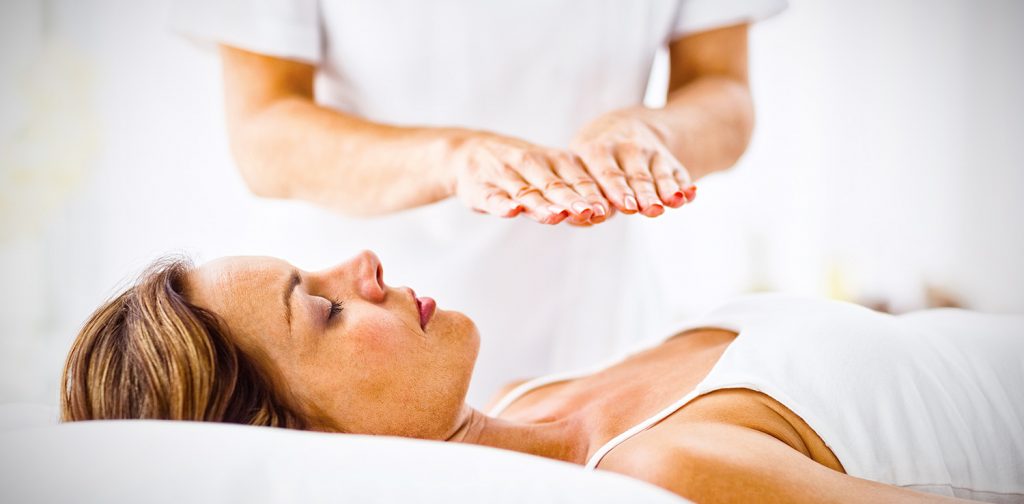
Reiki treatments typically last about 50 minutes. During a session, you’ll lie on a massage table fully clothed, as your reiki practitioner gently places their hands, palms down, on or just above your body in specific energy locations. They use a series of 12 to 15 different hand positions.
The length of time that the practitioner leaves their hands in each position is determined by the flow of energy through their hands at each location.
Reiki differs from other touch therapies in that there is no pressure, massage or manipulation involved.
What conditions does reiki treat?
Because it works on the entire self – mind, body and emotions – and because it is universal life force energy, reiki may be successful in all types of physical, emotional, mental and spiritual healing.
Reiki isn’t specific to any particular type of disease or condition but may help people with:
- Cancer.
- Chronic pain.
- Infertility.
- Digestive problems.
- Parkinson’s disease.
- Psychological distress, including depression and anxiety.
- Stress-related illnesses.